

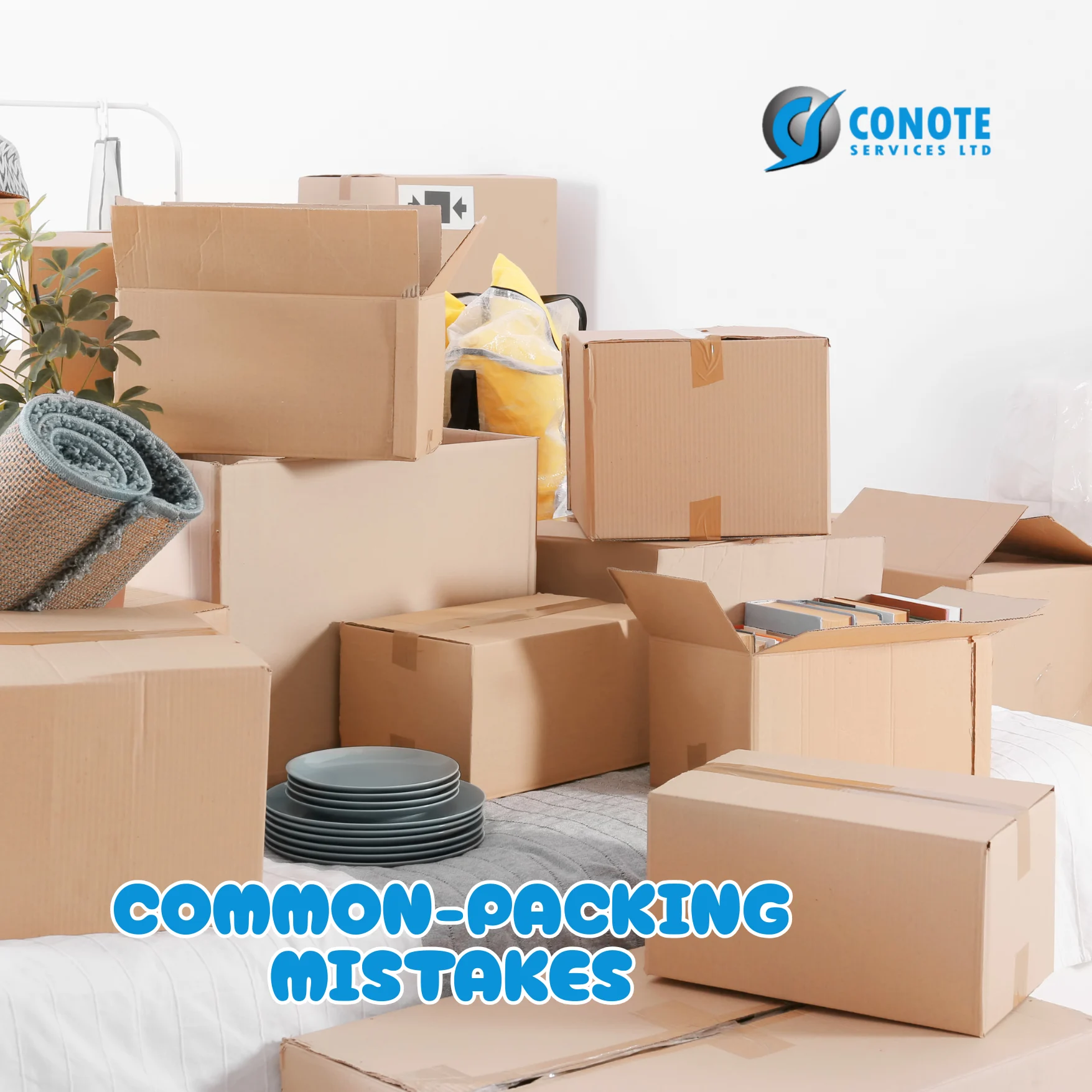
Moving to a new home or office can be an exciting chapter in life, but the process often comes with stress, especially when it comes to packing. One of the main reasons items get damaged or misplaced during relocation is due to errors in the packing process. By understanding how to avoid common packing mistakes, you can ensure that your belongings arrive safely, save time, and reduce the frustration that comes with moving. In this guide, we’ll walk you through practical tips to pack efficiently and safely, while exploring how AI tools are starting to influence smart packing solutions.
Importance of Proper Packing
Packing isn’t just about placing items in boxes. It’s about protecting your belongings, organizing them logically, and preparing for smooth transport. Many people underestimate the importance of packing supplies, proper labeling, and the way items are distributed. Overloading boxes, skipping padding, or not securing fragile items can lead to broken dishes, scratched furniture, or lost paperwork. Understanding these risks is the first step toward a stress-free move.
Have you ever considered how AI could help optimize the packing process? Some companies are experimenting with AI algorithms to suggest the most efficient way to pack boxes, ensuring weight distribution and maximizing space, which directly reduces human error in packing.
Choosing the Right Packing Materials
One of the most overlooked aspects of packing is using the appropriate materials. Cardboard boxes come in different sizes and strengths, and using a weak box for heavy items is a classic pitfall. Likewise, proper padding materials such as bubble wrap, foam, or packing paper can prevent fragile items from being damaged.
To avoid common packing mistakes, always invest in quality materials. Reinforce the bottom of boxes with strong tape, and avoid reusing damaged boxes. While it may seem economical to use whatever you have on hand, a minor saving can result in significant losses if items are damaged.
Packing Strategically
Strategic packing involves more than just shoving items into a box. Heavy items should always go at the bottom, with lighter or fragile items on top. Fill any gaps with padding to prevent movement. Remember that a box should never be so heavy that it’s difficult to lift. Overloading is a frequent error that causes injuries and increases the likelihood of items breaking.
Labeling boxes clearly is also crucial. Include a brief description of contents and mark fragile items. Color-coded labels or numbering systems can help make unpacking faster and more organized. AI applications can now even read labels and inventory boxes digitally, making it easier to track where every item is during a move.
Protecting Fragile Items
Fragile items require special attention. Wrap each item individually, cushion them on all sides, and avoid stacking boxes containing breakables too high. Many people skip these steps, which leads to shattered glassware, chipped ceramics, and scratched electronics.
Consider creating a checklist specifically for fragile items. By categorizing delicate belongings separately, you reduce the chance of mistakes and make it easier for movers to handle these boxes with care. AI-powered moving apps can even suggest the best orientation for boxes with fragile items to minimize movement and pressure.
Avoiding Overpacking and Underpacking
A box that’s too full or too empty is a common issue. Overpacking leads to heavy boxes that are difficult to lift, while underpacking leaves items shifting during transport, increasing the risk of damage. Strike a balance by distributing weight evenly and filling gaps with soft materials like towels, clothes, or bubble wrap.
Paying attention to box weight not only protects your belongings but also safeguards your back and prevents potential accidents during lifting. Incorporating AI in this step can allow you to calculate the optimal weight limit per box based on item type, which is a game-changer for careful movers.
Organizing and Labeling for Efficiency
Organization isn’t just for aesthetics, it’s practical. When boxes are properly labeled, you save hours searching for essentials upon arrival. Include room destinations, item descriptions, and special handling instructions. This also helps movers prioritize fragile or heavy boxes, reducing the likelihood of mistakes.
Some AI systems now offer inventory tracking by scanning QR codes on boxes, which allows for instant access to box contents on a smartphone or tablet. This technological integration ensures nothing is misplaced, and it streamlines unpacking, especially for larger moves.
Tips for Last-Minute Packing
Even when pressed for time, it’s essential to avoid rushing into common packing mistakes. Create a prioritized packing plan, starting with items you use less frequently. Avoid stuffing boxes at the last minute, as this often leads to damage or forgotten essentials.
AI scheduling tools can assist in planning the packing process efficiently, suggesting which rooms or items to pack first and estimating time requirements. By combining human judgment with AI insights, you can make last-minute packing significantly less stressful.
Conclusion: Seek Professional Assistance
Packing doesn’t have to be overwhelming if approached thoughtfully. Avoiding common packing mistakes, from poor material choices to improper weight distribution, ensures your belongings arrive intact and your move goes smoothly. While AI tools are increasingly helping with inventory and packing optimization, nothing replaces careful planning and execution.
For a truly stress-free relocation, clients should reach out to Conote Services. Their professional team offers expert packing solutions, ensuring your items are protected, organized, and handled with care. Whether you’re moving locally or long-distance, their services minimize risk, save time, and deliver peace of mind.