

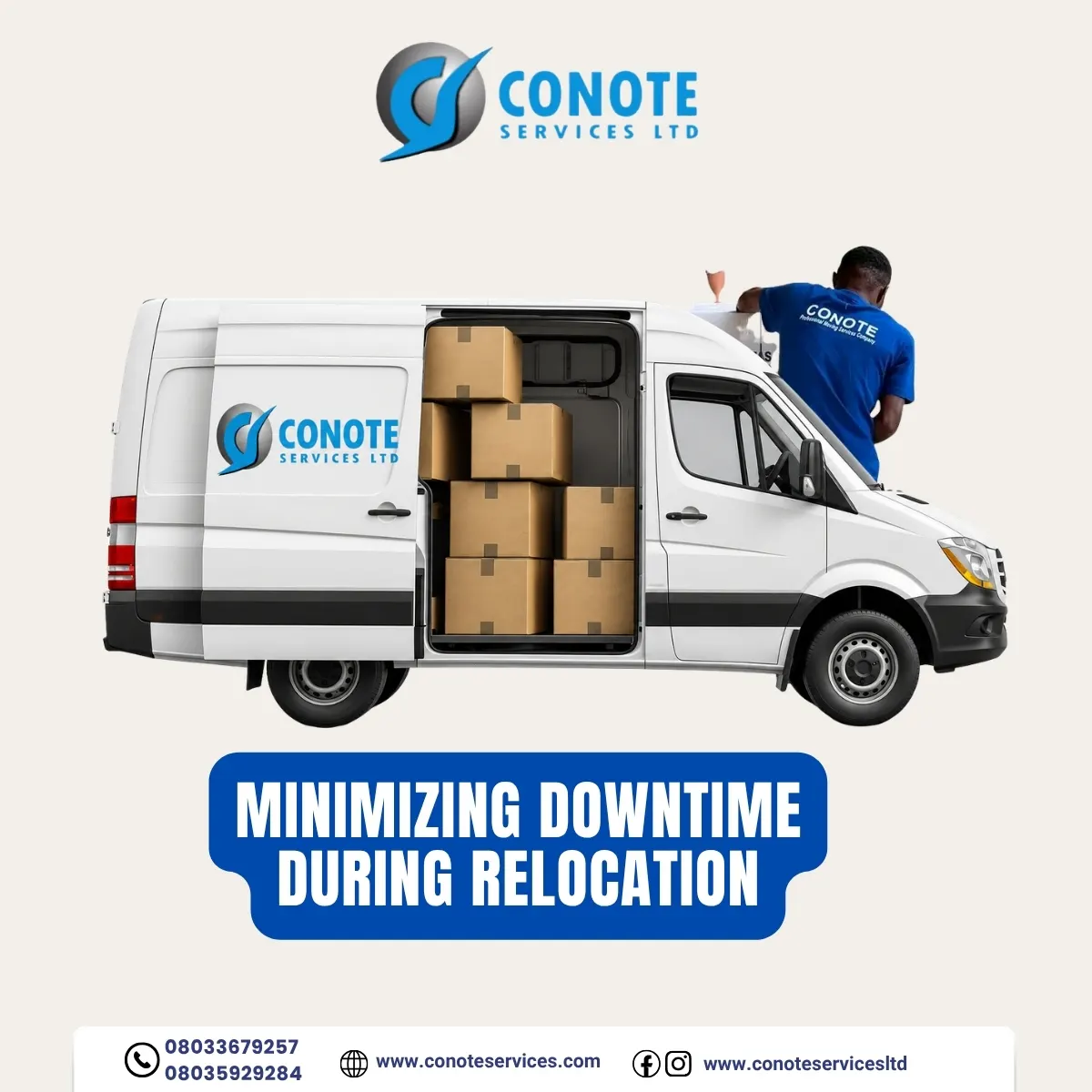
Relocating a business is often viewed as an exciting step toward growth, expansion, or operational improvement. However, the process can also create serious disruptions if not handled properly. From interrupted workflows to delayed customer service, even a few hours of inactivity can result in financial losses and damaged client relationships. This is why many organizations focus heavily on minimizing downtime during relocation to ensure business continuity throughout the transition.
Whether a company is moving a small office, a warehouse, or an entire corporate facility, strategic planning is essential. Businesses that prepare early, communicate effectively, and use modern technology can significantly reduce interruptions. In today’s competitive environment, companies cannot afford extended downtime because customers expect uninterrupted service and fast responses regardless of location changes.
Develop a Detailed Relocation Plan
One of the most effective ways of minimizing downtime during relocation is by creating a detailed relocation strategy long before moving day arrives. A structured plan helps businesses identify possible risks, assign responsibilities, and establish realistic timelines.
The planning stage should include inventory assessments, equipment mapping, IT infrastructure checks, and employee coordination. Every department should understand its role during the move so there is minimal confusion. Businesses should also create contingency plans for unexpected delays such as transportation issues or technical failures.
Companies that rush into relocation without proper planning often experience operational bottlenecks that affect productivity. A phased relocation approach can help reduce these risks by allowing departments to move in stages instead of shutting down the entire operation at once.
Prioritize IT Infrastructure and Data Protection
Technology plays a major role in modern business operations, making IT migration one of the most sensitive aspects of minimizing downtime during relocation. Businesses rely heavily on internet access, cloud systems, communication tools, and customer databases to function efficiently.
Before relocation begins, organizations should back up all critical data and test recovery systems. IT teams should prepare the new location’s network infrastructure ahead of time to ensure systems are operational immediately after arrival. Servers, routers, and communication devices should be labeled clearly to simplify reinstallation.
An AI-powered monitoring system can also help detect network vulnerabilities or predict technical failures during the move. Could artificial intelligence become the future solution for managing complex business relocations with minimal disruption? Many experts believe AI-driven logistics and predictive analytics are already transforming relocation efficiency.
Businesses should also work closely with internet service providers and software vendors to avoid delays in connectivity or licensing updates after the move.
Communicate Clearly With Employees and Clients
Transparent communication is another critical factor in minimizing downtime during relocation because uncertainty can create unnecessary panic among employees and customers alike. Staff members should receive regular updates about relocation schedules, workflow adjustments, and temporary operational procedures.
Employees who understand the relocation process are more likely to remain productive and cooperative during the transition. Businesses may also assign relocation coordinators within departments to answer questions and address concerns quickly.
Client communication is equally important. Customers should be informed about any temporary disruptions, revised contact information, or possible service delays. Companies can use email notifications, social media updates, and website announcements to keep stakeholders informed throughout the relocation process.
Businesses that maintain open communication often preserve customer trust even during temporary operational changes.
Choose the Right Relocation Partner
Professional moving companies can make a significant difference when it comes to minimizing downtime during relocation. Experienced relocation specialists understand how to handle office furniture, sensitive equipment, confidential files, and industrial machinery efficiently.
Selecting a relocation partner with commercial moving expertise can help businesses avoid costly mistakes. These professionals often provide packing services, logistics coordination, transportation management, and installation support.
Before hiring a relocation company, businesses should review credentials, insurance coverage, and previous client feedback. A reliable relocation partner will usually conduct a site assessment to understand the scope of the project and provide customized solutions.
Investing in professional support may initially appear expensive, but it often saves businesses thousands of dollars in avoided delays and damaged equipment. For example, replacing damaged IT systems or repairing interrupted supply chains can cost far more than hiring qualified relocation experts in the first place.
Schedule the Move Strategically
Timing is essential for minimizing downtime during relocation because business activity levels vary throughout the week, month, or year. Companies should schedule relocation during periods of lower customer demand whenever possible.
Some organizations move operations over weekends, holidays, or after working hours to reduce disruption. Retail businesses may avoid peak shopping seasons, while accounting firms may avoid tax periods. Manufacturers may coordinate relocation around production cycles to minimize operational losses.
Businesses should also test systems at the new location before resuming full operations. Conducting trial runs for internet connections, phone systems, and equipment functionality can help identify problems early.
A staggered reopening strategy may also help companies resume essential services first before fully restoring all departments.
Organize Inventory and Equipment Efficiently
Proper labeling and inventory management are crucial for minimizing downtime during relocation because misplaced equipment can delay operations significantly. Businesses should categorize assets carefully and document all items before packing begins.
Color-coded labels, digital inventory tracking systems, and room-by-room organization methods can simplify unpacking and setup processes. Fragile or high-priority equipment should receive special handling instructions to prevent damage.
Warehouse businesses and manufacturers may benefit from using barcode systems or RFID tracking during relocation. These technologies help monitor assets in real time and reduce the risk of misplaced inventory.
Businesses should also dispose of outdated equipment before relocation. Moving unnecessary items increases transportation costs and creates additional setup complications.
Train Employees for Transition Readiness
Employee preparedness contributes greatly to minimizing downtime during relocation because staff members are directly involved in maintaining daily operations during the move. Businesses should provide training sessions that explain new office layouts, updated workflows, and relocation protocols.
Cross-training employees can also improve operational flexibility. If certain staff members become unavailable during the transition, others can temporarily handle essential responsibilities.
Remote work solutions may further reduce downtime during relocation periods. Employees who can work from home while the office transition takes place help maintain customer support and administrative functions without interruption.
Businesses should also encourage teamwork during relocation because collaborative environments often lead to faster problem-solving and smoother transitions.
Monitor Post-Relocation Performance
The relocation process does not end once the move is completed. Monitoring operational performance after relocation is essential for minimizing downtime during relocation in the long term. Businesses should evaluate productivity levels, customer satisfaction, and technical system performance after reopening.
Post-relocation audits can help identify unresolved issues quickly. These assessments may include equipment inspections, employee feedback sessions, and customer service reviews.
Businesses should also track financial performance to determine whether the relocation achieved its intended goals. Metrics such as operational efficiency, customer retention, and employee productivity provide valuable insights for future improvements.
Continuous improvement strategies help businesses adapt more effectively after relocation and strengthen long-term operational resilience.
Conclusion
Business relocation can be a challenging process, but proper preparation can greatly reduce disruptions and financial losses. Through detailed planning, reliable communication, strong IT preparation, strategic scheduling, and professional relocation support, companies can maintain continuity while transitioning to a new location. Successful organizations understand that minimizing downtime during relocation requires coordination, flexibility, and proactive problem-solving at every stage of the process.
For businesses seeking professional and reliable relocation solutions, clients should reach out to Conote Services for expert assistance tailored to commercial relocation needs.