

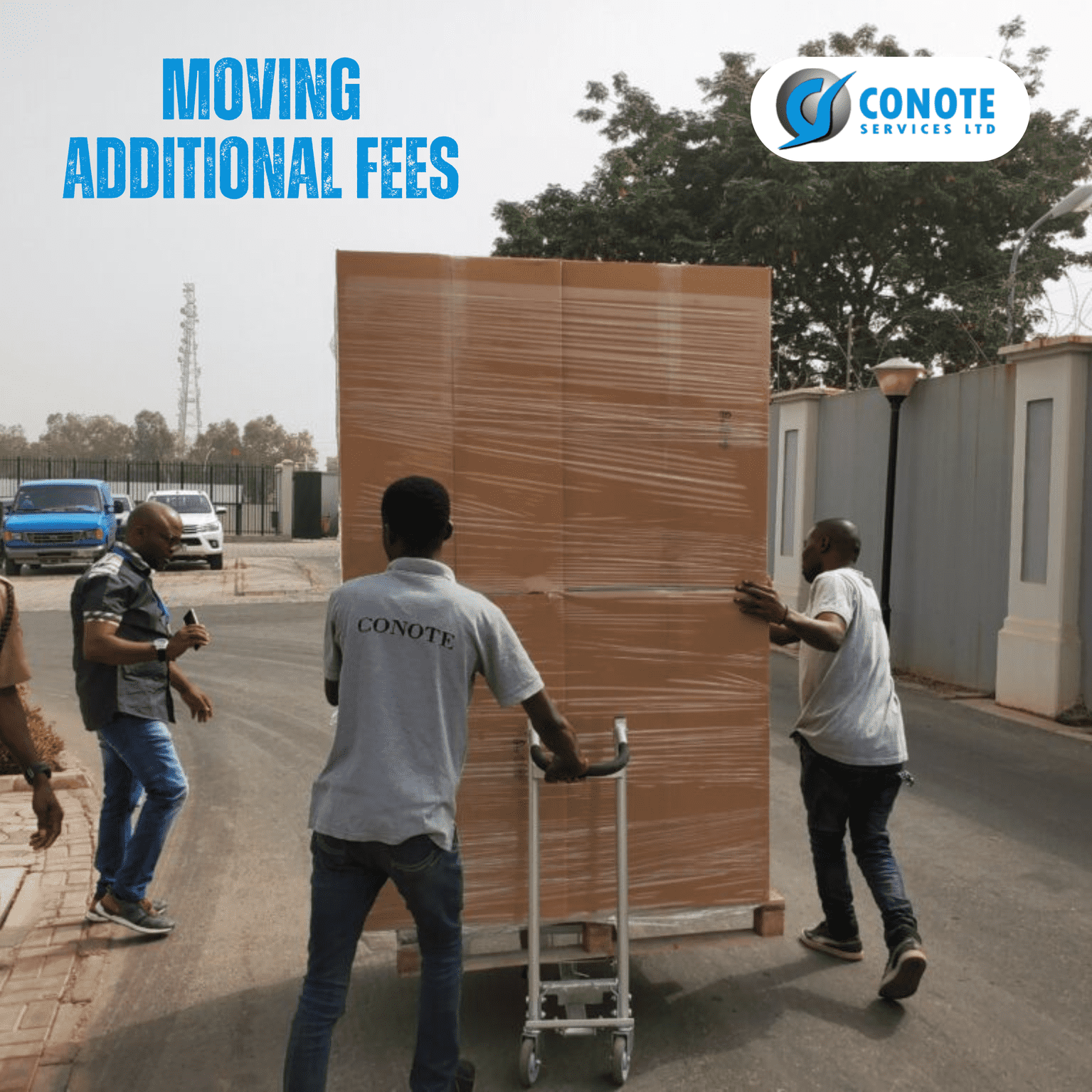
Relocating to a new home or office often looks straightforward until the final invoice arrives, and this is where moving additional fees can catch many clients off guard. Beyond the base hourly or flat-rate charge, professional movers may apply extra costs based on access challenges, distance, timing, or special handling requirements. Understanding these charges upfront helps you plan realistically, negotiate better, and avoid last-minute stress. In an era where AI-driven cost estimation tools are becoming more common, the key question remains: can technology fully predict every moving scenario, or is human context still essential?
Stair Fees and Walk-Up Charges
One of the most common moving additional fees is related to stairs, especially in buildings without elevators. Movers typically charge extra when they must carry items up or down multiple flights, as this increases labor intensity, time, and safety risks. Even a short staircase can slow down a move when heavy furniture or appliances are involved. These fees are usually calculated per flight of stairs and can add up quickly in apartment complexes or duplex homes, making it crucial to disclose stair access details during your initial quote request.
Long Carry Fees Explained
Long carry fees are another frequent source of moving additional fees, applied when movers must transport items a significant distance from your door to the truck. This situation often arises in gated estates, large compounds, or city centers with restricted parking. Movers measure the distance, and once it exceeds their standard allowance, an extra charge is added to compensate for additional time and effort. From a practical standpoint, securing closer parking or temporary access permits can significantly reduce this cost.
Fuel Surcharges and Distance-Related Costs
Fuel surcharges are increasingly common moving additional fees, especially during periods of fluctuating fuel prices. Movers factor in the cost of diesel or petrol for long-distance moves, traffic delays, and return trips. While this fee may appear small individually, it reflects real operational expenses such as vehicle wear and emissions compliance. Some companies bundle fuel into their base rate, while others itemize it separately, so clarity at the quotation stage is essential.
Packing Materials and Professional Packing Services
Packing is often underestimated, yet it is a major contributor to moving additional fees. Charges may apply for boxes, bubble wrap, stretch film, wardrobe cartons, and protective padding. If you opt for professional packing services, labor costs will also increase, though this often reduces damage risks. Interestingly, AI-powered inventory tools can now estimate packing material needs with high accuracy, but they still rely on honest input about the number and type of items being moved.
Heavy, Bulky, or Specialty Items
Special handling fees are unavoidable moving additional fees when items exceed standard weight or require technical expertise. Pianos, safes, large generators, gym equipment, and medical devices fall into this category. These items may need extra crew members, lifting straps, hoisting equipment, or even cranes. From a safety and insurance perspective, these fees are justified, as improper handling could result in costly damage or injury.
Scheduling, Timing, and Peak Season Charges
Timing plays a significant role in moving additional fees, particularly during weekends, public holidays, or peak moving seasons. High demand increases labor costs, and movers often apply surcharges to balance availability. Last-minute or same-day bookings may also attract premium fees due to logistical adjustments. AI-based scheduling systems can optimize routes and crew allocation, but they cannot eliminate demand-driven pricing realities.
Storage, Delays, and Waiting Time Fees
Unexpected delays can introduce further moving additional fees, such as waiting time charges when access is delayed or keys are unavailable. Temporary storage fees may apply if your new location is not ready for immediate occupancy. These costs cover warehouse space, security, and handling. Proactive coordination between landlords, agents, and movers can prevent these scenarios and keep budgets under control.
Insurance, Valuation, and Administrative Costs
Insurance-related moving additional fees cover declared value protection beyond basic liability. If you are moving high-value items, opting for full-value protection increases peace of mind but also raises costs. Administrative fees may also apply for permits, documentation, or interstate compliance. While these charges may seem minor, they play a critical role in accountability and risk management.
Conclusion: Plan Smarter and Move with Confidence
Moving additional fees empowers you to budget accurately, ask informed questions, and avoid unpleasant surprises on moving day. From stairs and long carries to fuel, packing, and specialty items, each fee reflects real operational challenges movers face. While AI tools can assist with estimates and planning, transparent communication with experienced professionals remains irreplaceable. For a stress-free, honest, and well-coordinated move, clients are encouraged to reach out to Conote Services, a trusted provider dedicated to clear pricing and reliable moving solutions.