

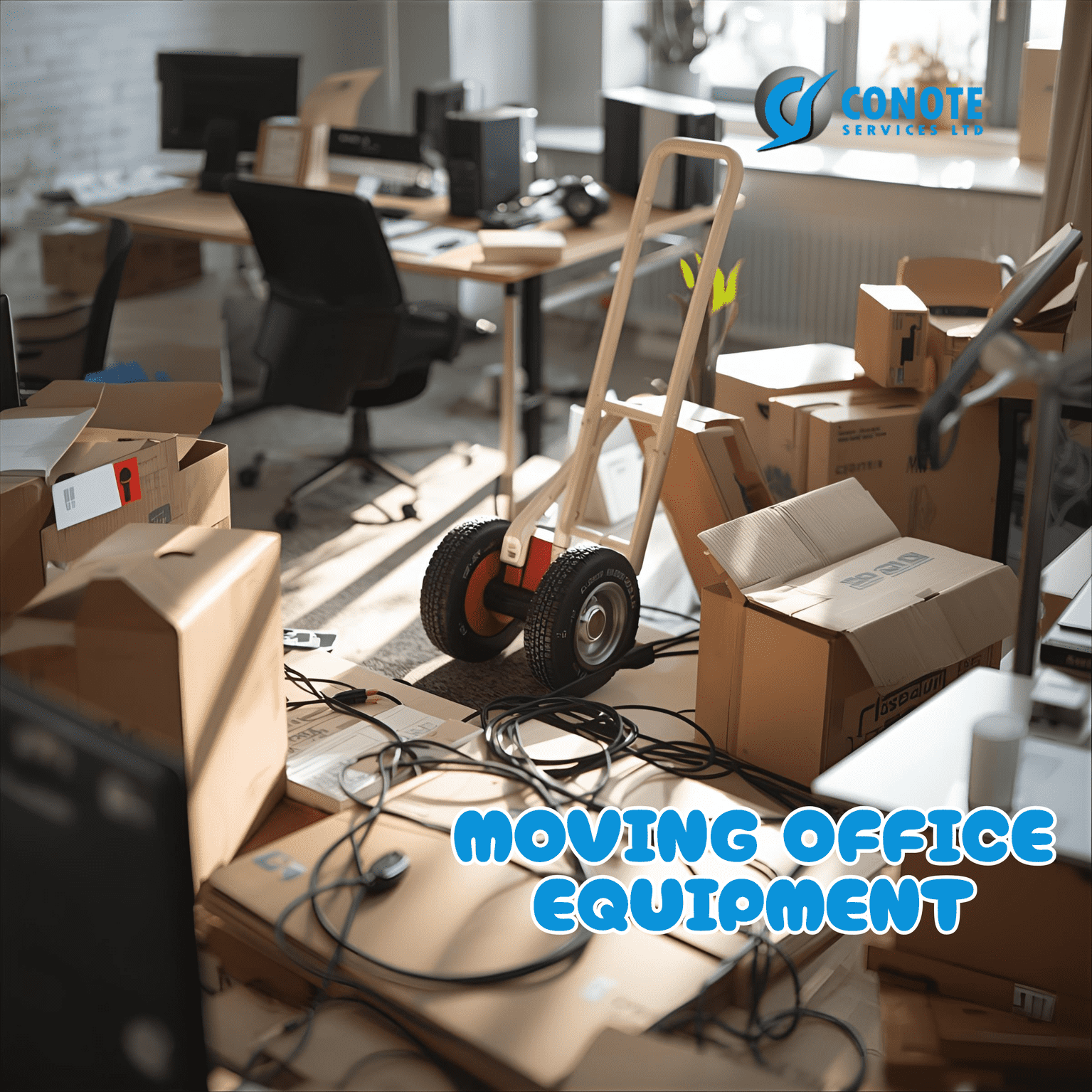
An office move is often a sign of growth, but it can quickly turn into a logistical nightmare if the process of moving office equipment is not adequately handled. From sensitive computers and servers to large furniture and heavy machinery, every item requires precision, care, and planning. Minimizing down times while ensuring nothing gets lost or damaged in transition is quite a challenge. Companies that respect professional planning during transitions involving moving office equipment are better equipped to protect their assets and maintain productivity.
Planning Ahead for a Smooth Transition
Safe moving of office equipment first requires careful planning. Otherwise, without a structured approach, even the most organized company might experience confusion, misplacement, or damage. Make a highly detailed moving checklist that shows what each piece of equipment is, where it is currently, and where it needs to go in the new office. Assign team members or specific departments to specific zones to ensure accountability.
Planning early also helps in coordinating with professional movers who specialize in moving office equipment. They can provide packing materials, moving crates, and protective covers designed for sensitive devices like printers, photocopying machines, and computers. Scheduling the move during off-hours or weekends can also reduce disruption to business operations.
Inventory Management and Labeling
One mistake that might happen when moving office equipment is the failure to label items correctly. Labeling is for tracing and organizing purposes. Each furniture, device, or document should have a tag indicating where it should head in the new office space. Using a digital inventory system can make this process seamless.
In such a scenario, modern software or even AI-powered inventory management tools can be integrated to automate the tracking process during the moving of office equipment. AI algorithms can determine missing assets, packing progress, and even predict the most efficient method of loading and unloading. This ensures that nothing goes missing and that every asset reaches the right location.
Proper Packing Materials and Handling
Moving office equipment requires the right packing materials. Delicate items such as monitors, CPUs, and servers should be wrapped with bubble wrap, foam padding, or anti-static wraps. For furniture, corner guards and protective blankets can be used to avoid scratches and dents. Cables and connectors should be neatly tied and labeled to avoid confusion during reinstallation.
Damage due to improper handling is easily avoided when hiring a professional logistics team that has experience with the movement of office equipment. A professional knows how to handle heavy or fragile equipment safely, which may include using dollies, lifts, and padded trolleys to move items. This reduces the risk of accidents and ensures the security of each item in transport.
Data Security and IT Infrastructure
In today’s digital world, the process of moving office equipment doesn’t concern just physical assets; rather, it includes the protection of your data. Before any moving of computers, servers, or storage drives, backup all critical data. Such a dismantle and reinstalling of systems should be done by IT professionals to avoid hardware or software defects.
Data encryption and controlled access are crucial to moving office equipment that holds sensitive information. This prevents any form of unauthorized access in the course of relocation. Many businesses now use AI-driven monitoring systems to oversee equipment status in real time during transportation. AI can alert teams if temperature-sensitive devices, like servers, experience abnormal conditions or if a shipment deviates from its route.
Employee Coordination and Communication
Communication is the key to the successful relocation of office equipment. Clear instructions are required regarding the packing of personal items, labeling of workstations, and a gathering of tools or devices. A central communication point, like an internal chat group or project management dashboard, keeps everyone informed about the progress and timeline.
New office layouts and workstation allocation should be briefed among staff in advance during moving office equipment. This helps in quick setup once relocation is done and also avoids confusion on the first day in the new space. Involving employees in this process will also provide a sense of accountability and minimize the chances of misplaced assets.
Partnering With Professionals
With the perceived savings, some businesses do a do-it-yourself move; the risk of damage or loss often exceeds that. Partner with experts in office equipment moving for precision and safety. These professionals have the right vehicles, tools, and insurance coverage to protect the assets from the beginning to the end.
Professional moving services also provide logistical planning and support for specialized equipment, such as medical machines, laboratory devices, or heavy-duty printers. Skilled experience in office equipment moving reduces business interruptions, enabling companies to get back into full operation more quickly. Always verify a mover’s reputation, reviews, and certifications before entrusting them with valuable assets.
Leveraging AI and Automation for Smarter Relocation
As Artificial Intelligence is continuously changing business processes, it’s no surprise that AI is now being integrated into moving office equipment operations. AI-powered logistics systems can optimize routes and predict weather-related delays to recommend efficient packing strategies. Smart sensors can monitor vibration and temperature changes to keep equipment within safety limits while in transportation.
The interesting question is, will it be possible someday for AI to complete the process of moving office equipment, from packing to setup, independent of human oversight? While we are not there yet, the increasing application of AI for predictive maintenance and automated logistics does indicate that technology in relocation management is going to assume a big role soon.
Post-Move Inspection and Setup
Detailed inspection is important after moving office equipment. After the move, go and compare your inventory with the initial checklist to confirm that everything has safely arrived. Before normal business resumes, test all IT systems, phones, and network connections. Any damages should be reported immediately to your moving partner for insurance claims.
Efficient reorganization of workstations after moving office equipment will increase morale and productivity of the employees. Make sure all ergonomic settings, cable management, and lighting are appropriately adjusted. Smoothening the transition sets the tone for renewed energy and focus in the new workspace.
Conclusion: Trust Conote Service for Safe and Efficient Office Moves
Office relocation need not be stressful and does not have to carry a number of risks. Move your office equipment smoothly and undamaged with strategic planning, professional helping hands, and the right technology. Every step, from inventory tracking to data protection, is crucial in maintaining your company’s assets and ensuring business continuity. Conote Service remains the partner of choice for businesses seeking reliability, experience, and professionalism in moving office equipment across Nigeria. Every detail – from packing and transport to installation – is carefully executed with utmost care by their trained specialists. If your company is planning to relocate, contact Conote Service today. They combine expertise, advanced logistics, and customer-focused support to ensure the moving of office equipment is smooth, secure, and efficient, so your business doesn’t miss a beat.