

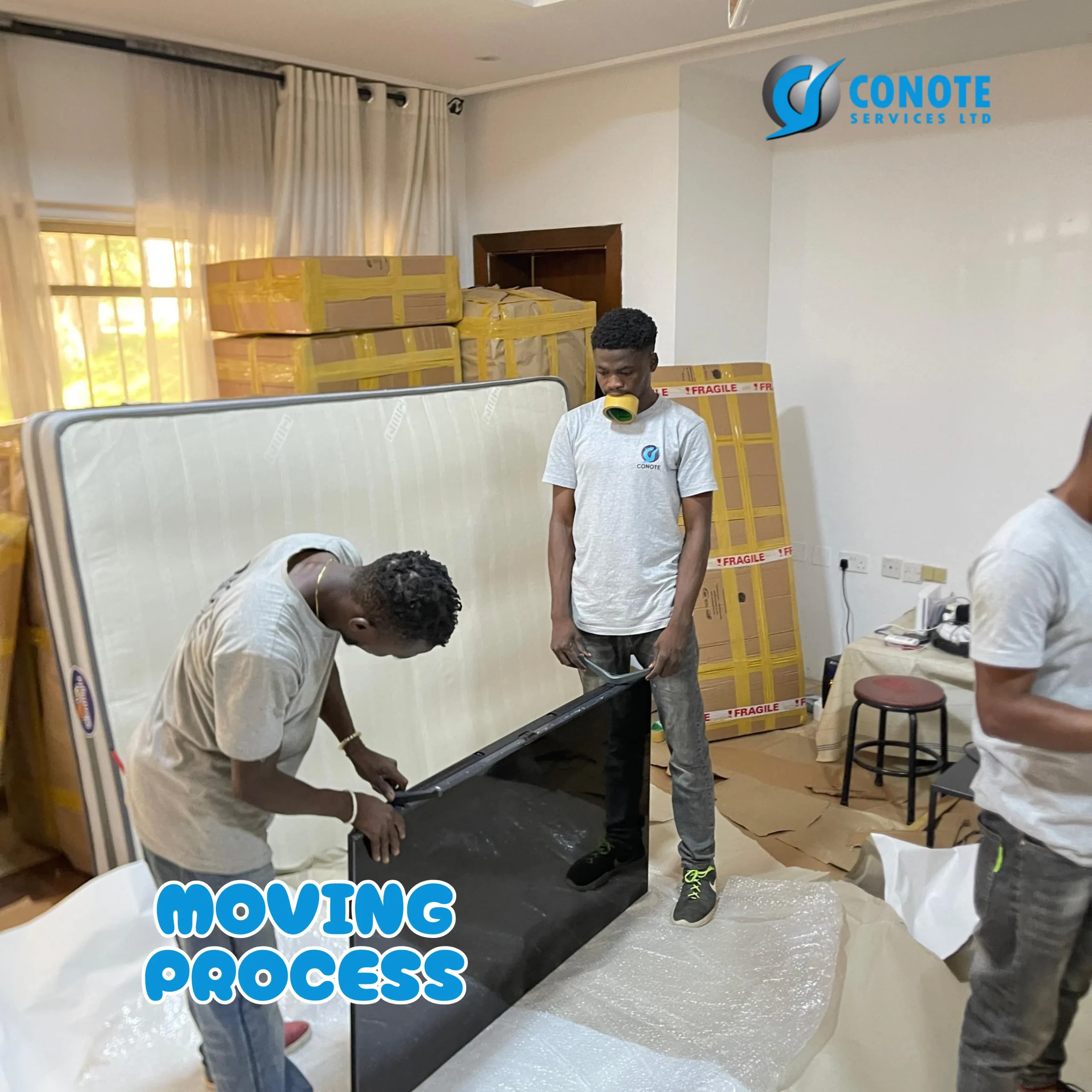
Relocating from one place to another can feel overwhelming, especially when you’re unsure how long everything will take. The moving process is not a one-size-fits-all timeline; it varies depending on factors like distance, preparation, logistics, and unexpected challenges. Whether you’re moving within the same city or across states, understanding the time involved helps you plan better and reduce stress. This guide breaks down the timeline into clear stages so you know what to expect and how to manage each step effectively.
Planning and Preparation Stage
The first phase of the moving process typically begins weeks or even months before the actual move. This is where you create a checklist, sort your belongings, and decide what to keep, donate, or discard. On average, this stage can take anywhere from 2 to 6 weeks, depending on how organized you are and how large your household is. Early preparation gives you enough time to research moving companies, gather packing supplies, and notify relevant parties such as landlords or utility providers.
Packing and Organization
Packing is one of the most time-consuming parts of the moving process, especially if you have accumulated many items over time. For a small apartment, packing may take 2–3 days, while a larger home could require up to a week or more. Proper labeling and categorization are essential to avoid confusion later. Many people underestimate this stage, but careful packing not only saves time during unpacking but also ensures your items are protected during transit.
Hiring Professionals vs DIY Moving
Another factor that affects the duration of the moving process is whether you hire professional movers or handle everything yourself. Professional services can significantly reduce the time required, often completing packing and loading within a single day. On the other hand, a DIY move may take several days due to limited manpower and experience. While hiring professionals comes with a cost, it often provides efficiency, reliability, and peace of mind.
Moving Day Execution
The actual moving day is usually the most intensive part of the moving process. For local moves, everything from loading to transportation and unloading can be completed within 6 to 12 hours. However, this timeline can extend if there are delays such as traffic, weather conditions, or logistical challenges like narrow staircases. Proper coordination and early start times are key to ensuring the day runs smoothly.
Long-Distance Moving Timeline
When relocating across cities or states, the moving process can take several days to a few weeks. Delivery timelines depend on distance, route planning, and the moving company’s schedule. For instance, a move across a few hundred kilometers might take 2–5 days, while cross-country relocations could extend to 1–3 weeks. It’s important to factor in transit time and potential delays when planning your schedule.
Unpacking and Settling In
Once you arrive at your new home, the moving process is far from over. Unpacking and organizing your new space can take anywhere from a few days to several weeks. The timeline depends on how efficiently you packed and how quickly you want to settle in. Prioritizing essential items like kitchenware, clothing, and toiletries can make the transition more comfortable and manageable.
Factors That Can Affect the Timeline
Several variables can influence how long the moving process takes, including the size of your home, the number of belongings, weather conditions, and even the time of year. Peak moving seasons, such as weekends and holidays, often come with delays due to high demand. Additionally, last-minute changes or poor planning can extend the timeline significantly, making it crucial to stay organized and proactive.
Can AI Improve Moving Efficiency?
With advancements in technology, many people are beginning to ask: can artificial intelligence streamline the moving process and make it faster? AI-powered tools can now help with inventory management, route optimization, and even predicting potential delays. These innovations are gradually transforming how people plan and execute relocations, offering smarter and more efficient solutions for modern moving challenges.
Tips to Speed Up Your Move
If you want to shorten the moving process, there are several practical steps you can take. Start planning early, declutter your belongings, and pack systematically. Hiring experienced movers can also save significant time. Additionally, keeping important documents and essentials easily accessible ensures you don’t waste time searching for them later. Efficiency comes from preparation, so the more organized you are, the smoother your move will be.
Conclusion
In summary, the total duration of relocation varies widely, but understanding each stage of the moving process helps you set realistic expectations and avoid unnecessary stress. From planning and packing to transportation and unpacking, every step plays a role in determining how long your move will take. If you want a seamless and efficient experience, it’s always wise to work with professionals who understand the complexities involved. For reliable support and expert handling, clients should reach out to Conote Services to make their next move smooth, timely, and hassle-free.