

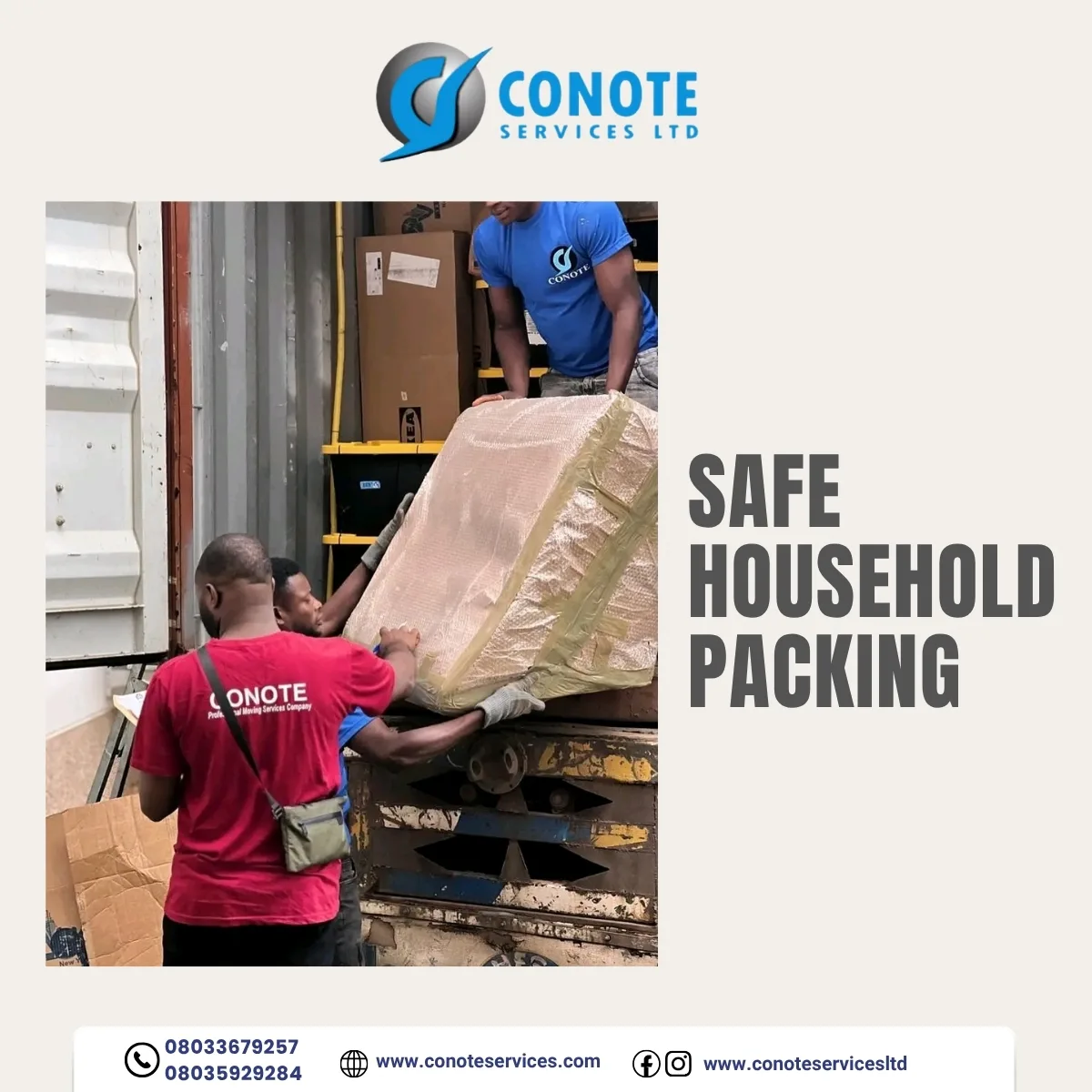
Moving into a new home can be exciting, but the process of organizing, wrapping, and transporting personal belongings often becomes stressful without proper planning. One of the most important aspects of relocation is ensuring that fragile, valuable, and everyday items are protected from damage throughout the move. This is where safe household packing becomes essential for homeowners, tenants, and families who want a smooth transition.
Whether you are relocating across town or to another city, proper packing techniques help reduce breakage, prevent losses, and save time during unpacking. From labeling boxes correctly to using quality materials, there are several practical strategies that can make the moving experience more efficient and secure. Interestingly, many modern moving companies now use AI-powered inventory systems and smart logistics tools to improve organization and minimize packing errors during relocation.
Why Proper Packing Matters
One major reason people experience damaged belongings during relocation is poor preparation. Furniture scratches, broken kitchenware, and misplaced items often occur when belongings are not organized properly before transportation. With safe household packing, individuals can protect their possessions while also making loading and unloading much easier.
Proper packing also reduces unnecessary stress. When items are categorized correctly, unpacking becomes faster and more convenient. Families can settle into their new homes comfortably without spending days searching for essential belongings. In addition, careful packing minimizes accidents that may occur when lifting unstable or overloaded boxes.
Another important benefit is cost efficiency. Replacing damaged electronics, furniture, or decorative items can become expensive after relocation. Investing in the right packing methods and materials helps prevent avoidable financial losses.
Start With a Detailed Packing Plan
Every successful move begins with proper planning. Before placing items into boxes, it is important to create a room-by-room checklist that identifies what needs to be packed, donated, discarded, or stored. This structured approach improves safe household packing by reducing confusion and last-minute rushing.
A timeline should also be established before moving day. Packing everything at once can become overwhelming, especially for large households. Starting early allows homeowners to organize items carefully and avoid careless mistakes that may lead to damage.
Creating an inventory list is equally valuable. This helps track belongings during transportation and ensures that nothing goes missing during the relocation process. Some professional movers now use digital inventory software powered by artificial intelligence to monitor package movement and improve accuracy.
Use High-Quality Packing Materials
The quality of packing materials plays a major role in protecting household belongings. Weak cartons and worn-out packaging supplies can easily collapse under pressure. For effective safe household packing, it is important to invest in durable materials designed specifically for moving.
Strong cardboard boxes, bubble wrap, packing paper, adhesive tape, foam padding, and stretch wrap are among the most essential supplies. Fragile items such as glassware, mirrors, and electronics should receive extra cushioning to absorb shocks during transportation.
It is also advisable to use different box sizes depending on the weight of the items. Heavy objects should go into smaller boxes to prevent lifting injuries and box breakage, while lighter items can be stored in larger cartons. Waterproof containers may also be useful for important documents or valuable belongings.
Label Every Box Clearly
One of the simplest yet most overlooked moving strategies is proper labeling. Clear identification improves safe household packing because movers and family members can handle items appropriately during loading and unloading.
Each box should include details such as the destination room and handling instructions like “Fragile,” “Handle With Care,” or “This Side Up.” Color-coded labels can further simplify the organization process during unpacking.
Detailed labeling also saves time when searching for essential items after relocation. For example, boxes containing toiletries, kitchen essentials, or work materials can be identified quickly without opening multiple cartons unnecessarily.
Protect Fragile and Valuable Items
Fragile belongings require extra attention during relocation. Plates, mirrors, artwork, televisions, and glass decorations are highly vulnerable to damage if packed carelessly. Proper wrapping techniques are crucial for maintaining safe household packing standards.
Glassware should be wrapped individually using packing paper or bubble wrap before placement in reinforced boxes. Empty spaces inside boxes should be filled with soft materials to prevent movement during transit.
Electronics should ideally be packed in their original manufacturer packaging whenever possible. If original boxes are unavailable, thick cushioning materials should be used for protection. Valuable jewelry, personal documents, and important files are best transported separately rather than inside moving trucks.
Interestingly, some modern relocation companies now use AI-assisted monitoring systems that predict item vulnerability and recommend the safest loading arrangements during transportation.
Avoid Overpacking Boxes
Many people attempt to reduce the number of boxes used during relocation by stuffing too many items into a single container. Unfortunately, overloaded boxes often tear, collapse, or become dangerous to lift. Maintaining safe household packing means balancing weight distribution properly.
Heavy items such as books should never be combined with fragile objects. Boxes should remain easy to carry without excessive strain. Packing moderately also prevents injuries during loading and unloading.
Additionally, boxes should be sealed securely with strong adhesive tape at both the top and bottom. Reinforcing weak edges helps maintain stability throughout transportation.
Disassemble Large Furniture Properly
Furniture is often among the most difficult household items to move safely. Beds, tables, cabinets, and shelves should be disassembled carefully before transportation whenever possible. This reduces the risk of scratches, dents, and structural damage while supporting safe household packing practices.
Screws, bolts, and small detachable parts should be stored in labeled plastic bags and attached to the corresponding furniture pieces. Protective covers or moving blankets can also help prevent surface damage during transit.
Large appliances such as refrigerators and washing machines should be cleaned, dried, and secured properly before moving day. Loose cables and removable components must be fastened carefully to avoid operational damage.
Keep Essential Items Accessible
During relocation, certain items should remain easily accessible rather than packed deep inside moving cartons. Preparing an essentials bag improves safe household packing by ensuring immediate access to important belongings after arrival.
This bag may include medications, toiletries, chargers, identification documents, snacks, clothing, and basic kitchen supplies. Families with children should also prepare entertainment items and daily necessities separately to reduce stress during the transition.
Keeping emergency contacts and relocation paperwork within reach also improves organization throughout the moving process.
Hire Experienced Professionals
While some families prefer self-packing, professional movers often provide additional expertise and efficiency. Experienced relocation specialists understand the best techniques for handling delicate belongings and large furniture safely. Choosing professional assistance can significantly improve safe household packing outcomes.
Reliable moving companies also provide insurance options that offer protection in case of accidental damage or loss. Before hiring movers, customers should review company credentials, customer feedback, and service agreements carefully.
Technology has further improved the moving industry, with many companies now using AI-driven route optimization systems to reduce delays and enhance delivery efficiency.
Conclusion
Relocation does not have to become chaotic or stressful when proper preparation and organization are prioritized. From using durable materials and labeling boxes clearly to protecting fragile items and avoiding overpacking, every step contributes to successful safe household packing. Careful planning helps homeowners reduce damage, save time, and enjoy a smoother moving experience overall.
As moving processes continue evolving with modern technology and AI-assisted logistics solutions, households can now benefit from smarter and more efficient relocation services. For individuals and families seeking reliable support during their next move, clients should reach out to Conote Service for professional assistance and dependable moving solutions.