

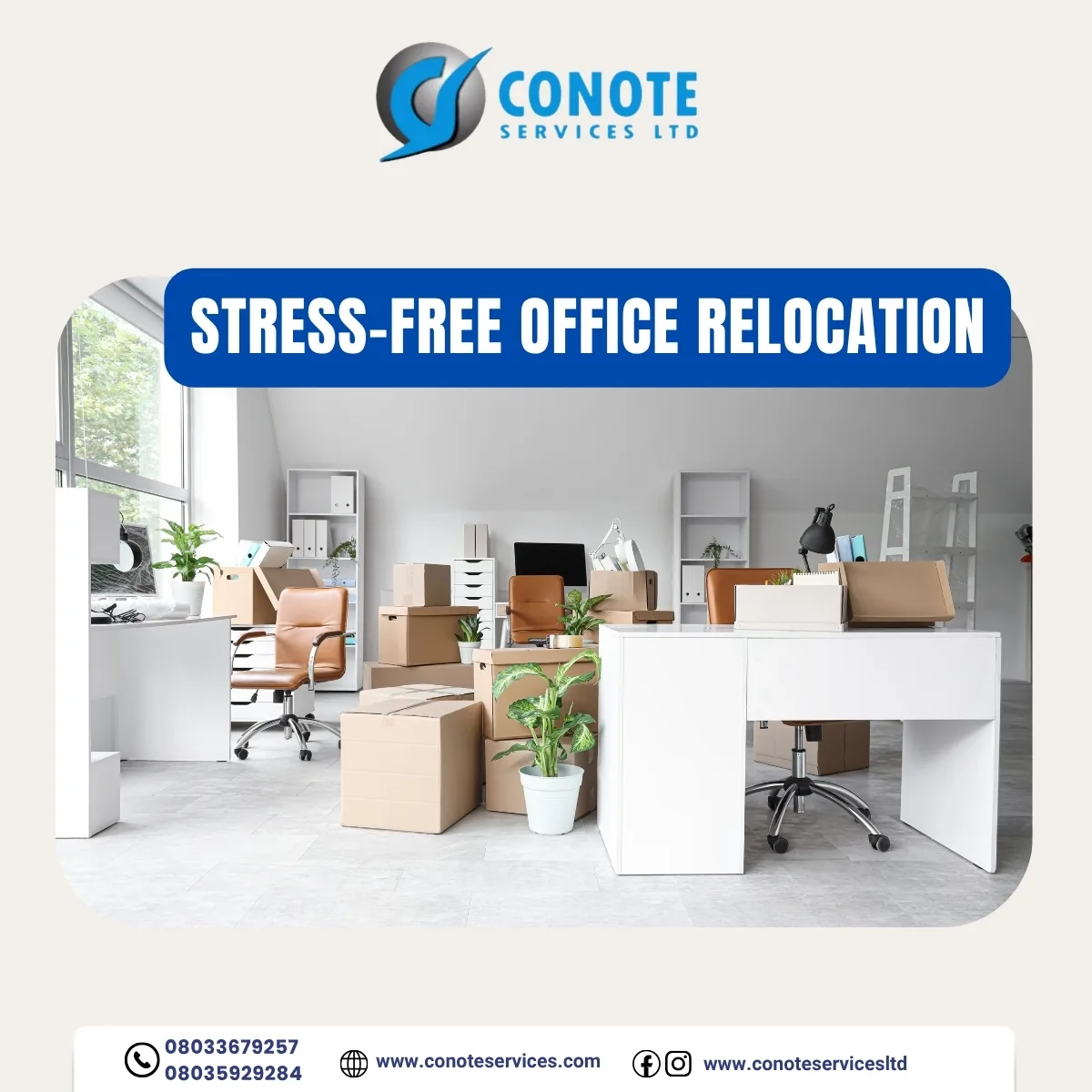
Relocating an office can feel overwhelming for any business, whether it is a startup moving into a larger workspace or an established company shifting operations to a new location. From packing sensitive equipment to minimizing downtime, every step requires planning and coordination. A poorly managed move can disrupt productivity, affect employee morale, and even lead to financial losses. That is why careful preparation is essential for a successful stress-free office relocation.
Many businesses now use digital tools and AI-powered planning systems to coordinate schedules, track inventory, and reduce operational delays during a move. Could artificial intelligence become the future project manager for corporate relocations? The growing role of technology in logistics suggests that smarter relocation strategies are already transforming how businesses move.
This guide explores practical steps that can help organizations achieve a smooth and efficient moving experience while maintaining business continuity.
Start Planning Early
The foundation of a successful move begins with early preparation. Companies should ideally begin organizing several months before the relocation date. This allows enough time to create schedules, allocate budgets, communicate with staff, and resolve unexpected issues before they become major problems.
Creating a detailed checklist is one of the best ways to maintain a stress-free office relocation. Include timelines for packing, internet setup, utility transfers, furniture arrangements, and equipment transportation. Early planning also gives management enough flexibility to negotiate with vendors and moving companies.
Assign a Dedicated Relocation Team
Office relocation should never fall entirely on one individual. Assigning a relocation team ensures responsibilities are shared effectively across departments. This team can oversee logistics, coordinate communication, and monitor progress throughout the process.
The relocation team should include representatives from IT, administration, finance, and operations. Their combined expertise helps prevent overlooked details that may disrupt workflow after the move. Weekly progress meetings can also help keep everyone aligned and informed.
Create a Realistic Budget
One of the biggest mistakes businesses make during relocation is underestimating costs. Office moves often involve hidden expenses such as repairs, equipment upgrades, transportation fees, storage costs, and temporary downtime.
A clear budget should account for every stage of the process, including emergency funds for unexpected challenges. Businesses should also compare quotes from multiple service providers before making final decisions. Financial preparation reduces stress and allows organizations to focus on maintaining productivity during the transition.
Communicate With Employees Frequently
Employees are directly affected by office relocation, so keeping them informed is extremely important. Lack of communication can create uncertainty, confusion, and anxiety within the workplace.
Management should provide regular updates about moving schedules, new office policies, transportation arrangements, and workspace expectations. Employees should also have opportunities to ask questions and share concerns. Transparent communication builds trust and encourages staff cooperation throughout the transition process.
Declutter Before Packing
Relocation provides the perfect opportunity to remove unnecessary items from the office. Many companies accumulate outdated equipment, unused furniture, and unnecessary paperwork over time. Moving these items only increases transportation costs and creates clutter in the new workspace.
Before packing begins, businesses should categorize items into what to keep, donate, recycle, or discard. Digital storage systems can also help reduce paper dependency. A cleaner and more organized office setup improves efficiency and creates a more productive work environment after the move.
Protect Important Data and Equipment
Technology is the backbone of modern business operations, making IT protection a top priority during office relocation. Computers, servers, and networking systems must be handled carefully to avoid damage or data loss.
Companies should back up all important files before the move and ensure cybersecurity measures remain active throughout the transition. Labeling cables, devices, and hardware components also makes reinstallation easier at the new office.
Professional movers experienced in handling office equipment can significantly reduce the risk of technical disruptions. Businesses that rely heavily on digital infrastructure should also test all systems immediately after setup to ensure operations continue smoothly.
Choose the Right Moving Company
The success of an office move often depends on the quality of the moving company hired. Businesses should look for experienced professionals with positive reviews, insurance coverage, and expertise in commercial relocations.
A reliable moving company will provide clear timelines, transparent pricing, and proper handling of office assets. Asking for references and reviewing previous projects can help organizations make informed decisions.
Professional movers also understand how to minimize operational downtime, which is critical for maintaining customer service and business continuity during relocation.
Prepare the New Office in Advance
Moving into a new office without proper preparation can create unnecessary delays. Before relocation day, businesses should confirm that utilities, internet services, furniture installations, and security systems are fully operational.
The workspace layout should also be finalized in advance to avoid confusion during setup. Labeling office sections and assigning workstations beforehand can speed up the transition process.
A well-prepared office allows employees to resume work quickly and reduces the adjustment period after the move.
Minimize Business Downtime
Every hour of downtime during relocation can impact revenue and customer satisfaction. Businesses should create strategies that keep essential operations running throughout the move.
Some companies schedule relocations during weekends or public holidays to avoid disrupting daily activities. Others implement hybrid or remote work systems temporarily until the new office becomes fully functional.
Cloud-based software, virtual communication tools, and remote access systems can also help employees remain productive regardless of physical location. Planning operational continuity carefully ensures clients experience little to no disruption during the transition.
Conduct a Post-Move Evaluation
The relocation process does not end once the boxes are unpacked. Businesses should evaluate the success of the move by identifying what worked well and what challenges occurred during the transition.
Feedback from employees can provide valuable insights into workspace functionality, communication effectiveness, and operational efficiency. Companies should also inspect all equipment, confirm internet connectivity, and verify that every department is functioning properly.
Post-move evaluations help organizations improve future relocation strategies and ensure the new office environment supports long-term productivity and growth.
Conclusion
Office relocation can be a complex process, but proper preparation makes the experience far more manageable. From early planning and budgeting to employee communication and technology protection, every step plays a critical role in ensuring a smooth transition. Businesses that approach relocation strategically can reduce disruptions, maintain productivity, and create a positive experience for employees and clients alike.
As technology continues to evolve, AI-driven logistics tools may become even more valuable in helping businesses organize and execute efficient office moves. Companies that embrace smarter planning methods are more likely to experience seamless stress-free office relocation and long-term operational success.
For businesses seeking professional assistance with corporate moving services, clients should reach out to Conote Services for reliable and efficient relocation support.