

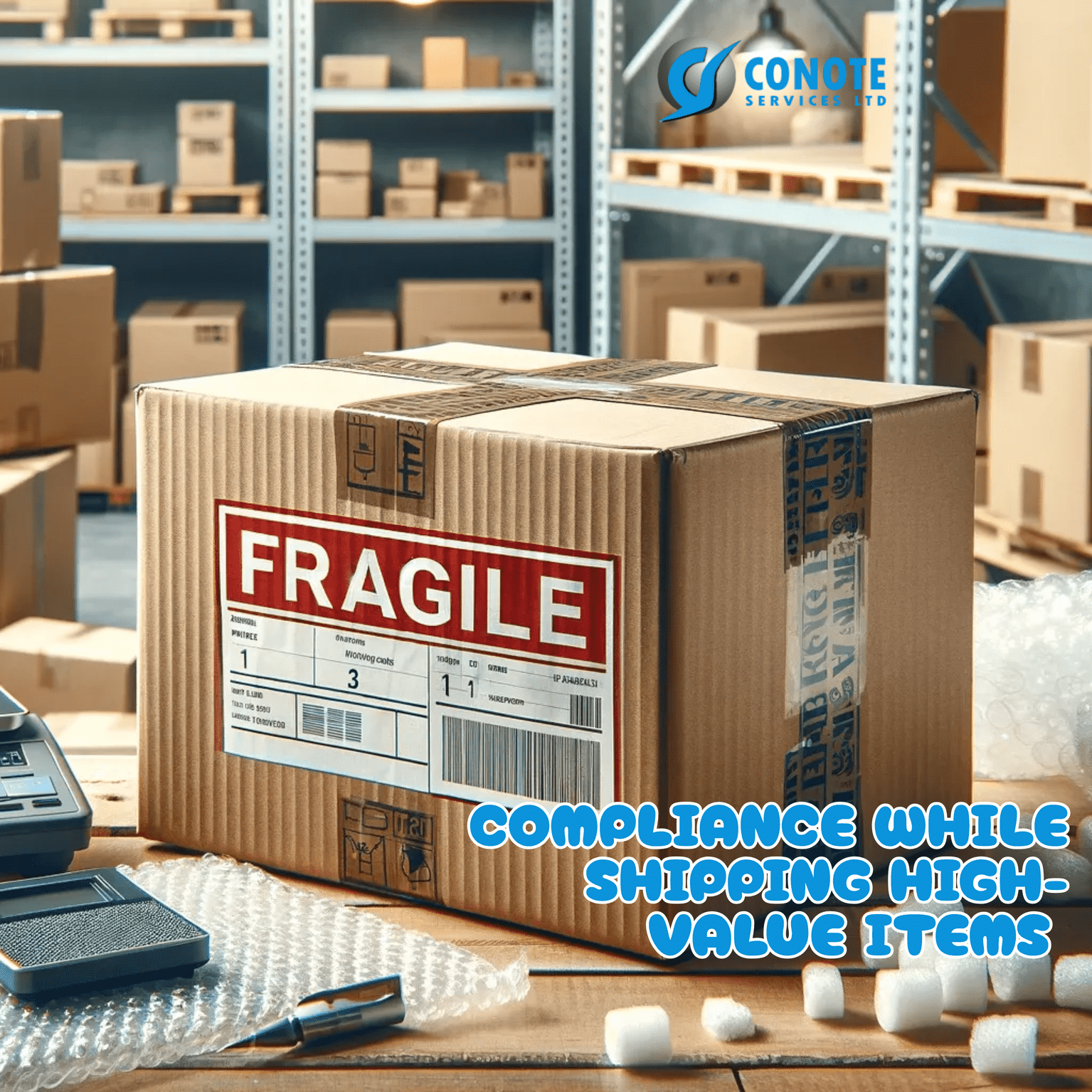
Shipping expensive goods, whatever they might be in nature, luxury electronics, industrial machinery parts, artworks, or just simple bars of precious metal, requires much more than just packing and sending. It needs a strategic approach supported at all points by regulatory adherence, documentation accuracy, and risk mitigation. Today, businesses try to maximize compliance while shipping high-value items across borders because regulations have turned more stringent and supply chain risks have become increasingly sophisticated. In the face of evolving global commerce standards, security protocols, and technical tools, companies must make sure to avoid penalties, delays, and loss.
The Regulatory Framework
Clarity is the first point in any strong compliance strategy. Businesses must understand the regulations that lay a framework for international shipping, especially on sensitive or high-value categories. Customs protocols, export restrictions, hazardous material rules, insurance requirements, and country-specific trade laws influence how shipments are handled.
When ensuring compliance for shipping high-value items, companies should check regional and destination-country regulations to confirm that there are no prohibited or restricted components in the cargo. Most compliance failures result from poor documentation or misunderstandings of constantly changing trade rules. Maintaining an updated compliance checklist and working with qualified logistics specialists greatly minimizes the risk.
Proper Documentation and Correct Declarations
Documentation is the backbone of safe and legal shipment management: Customs declarations, commercial invoices, packing lists, certificates of origin, valuation forms, and insurance documents need to be complete and accurate. Among the chief factors insuring compliance when shipping high-value items, declaring the true value of goods is one of the most important. Undervaluation may seem like a fast way to reduce duties, but it triggers red flags, causes inspection delays, and sometimes results in seizure.
As digital trade systems become more complete, various AI-based document validation tools scan the shipping paperwork for inconsistencies before these could be submitted. The companies that introduce automated checks minimize human errors, increase compliance speed, and ultimately stay ahead of regulatory scrutiny.
Secure Packaging and Tamper-Proof Measures
High-value items require specialized packaging designed to prevent damage and discourage tampering. Besides cushioning and protective cases, extra layers of security and compliance assurance are given through tamper-evident seals, GPS-embedded locks, and barcoded labels.
Secure packaging also assists logistics teams in proving that they are ensuring compliance when shipping high-value items, as it aids in the integrity of the chain of custody. Most regulators will request proof that cargo was sealed, protected, and unopened during transit. This means smarter packaging with IoT sensors can support easier detection of unauthorized access to shipments or environmental changes that can compromise the shipment.
Choosing the Right Logistics Partner
Not every logistics provider is prepared to handle shipments with extraordinary value. Companies should select partners that have special experience in handling secure cargo, bonded warehousing, customs brokerage, risk management, and international trade compliance.
A qualified partner will be vital in ensuring compliance when shipping high-value items, including overseeing regulatory requirements, managing customs clearance procedures, handling in-transit inspections, and leveraging routing optimization to avoid high-risk zones. Providers should also offer digital tracking dashboards, automated alerts, and real-time cargo monitoring for full visibility throughout the journey.
Risk Assessment and Insurance Protection
Risk assessment is active compliance. First, companies need to identify all the potential threats that range from theft and mishandling to customs complications and natural hazards and be ready with mitigation strategies.
Another imperative layer is insurance coverage. In ensuring compliance when shipping high-value goods, a business should ensure its insurance policy is commensurate with the correct market value of the item and covers it during all stages of transit. Extensive coverage will not only prevent financial loss but also satisfy the demands of regulatory requirements in many regions.
Implementing Chain-of-Custody Controls
Chain-of-custody practices can help ensure shipment integrity. Examples include documented handovers, digital signatures, sealed containers, and time-stamped checkpoints. Many regulators require detailed tracking logs for shipments of high value, and a lack of records may lead to penalties for noncompliance.
For companies committed to compliance in the transportation of high-value merchandise, chain-of-custody systems can prove that the cargo remained secure and monitored, and untampered with from dispatch to delivery. Modern AI tracking systems alert users to route deviations, suspicious activities, and unforeseen delays automatically.
Using Technology and AI in Compliance Assurance
AI and automation have emerged as essential tools in modern-day logistics. Machine learning algorithms help companies verify documents, forecast risks, predict delays, and monitor compliance.
One of the questions most businesses ask themselves now is whether AI, at some point, can make compliance completely autonomous. While human judgment is indispensable, AI-powered systems are advancing toward optimization and strengthening of the whole compliance value chain.
For organizations committed to compliance when shipping high-value items, the integration of artificial intelligence enhances efficiency, cuts down on human error, and makes for a much safer logistical environment.
Training Your Staff
Compliance is only as strong as the team managing it. Businesses need to train logistics, warehouse, packaging, and documentation teams on updated regulations.
Training indeed instills the proper way of achieving compliance when shipping high-value items by training personnel on identifying risks, avoiding common mistakes, managing documents, and handling specialized cargo. In fact, updated training is a must, especially in industries affected by ever-changing laws, like electronics, medical devices, or luxury goods.
Performing Regular Compliance Audits
Internal audits identify and resolve issues preemptively, involving shipment records, documentation, security testing, packaging analysis, and customs reviews. They promote accountability, transparency, and consistency for companies focused on compliance in high-value item shipping.
Conclusion
Moving high-value items around incurs greater responsibilities. Accordingly, companies would have to introduce strict documentation, secure packaging, trusted logistics partners, AI-enabled tracking, and regular staff training to safeguard their cargo and adhere to almost all global regulations. If an organization needs expert support to ensure compliance in shipping high-value items, then Conote Services is your reliable partner for professional and integrated logistics solutions adapted to high-value cargo. Strengthen your shipping operations and reduce compliance risks. Contact Conote Services today to learn more.