

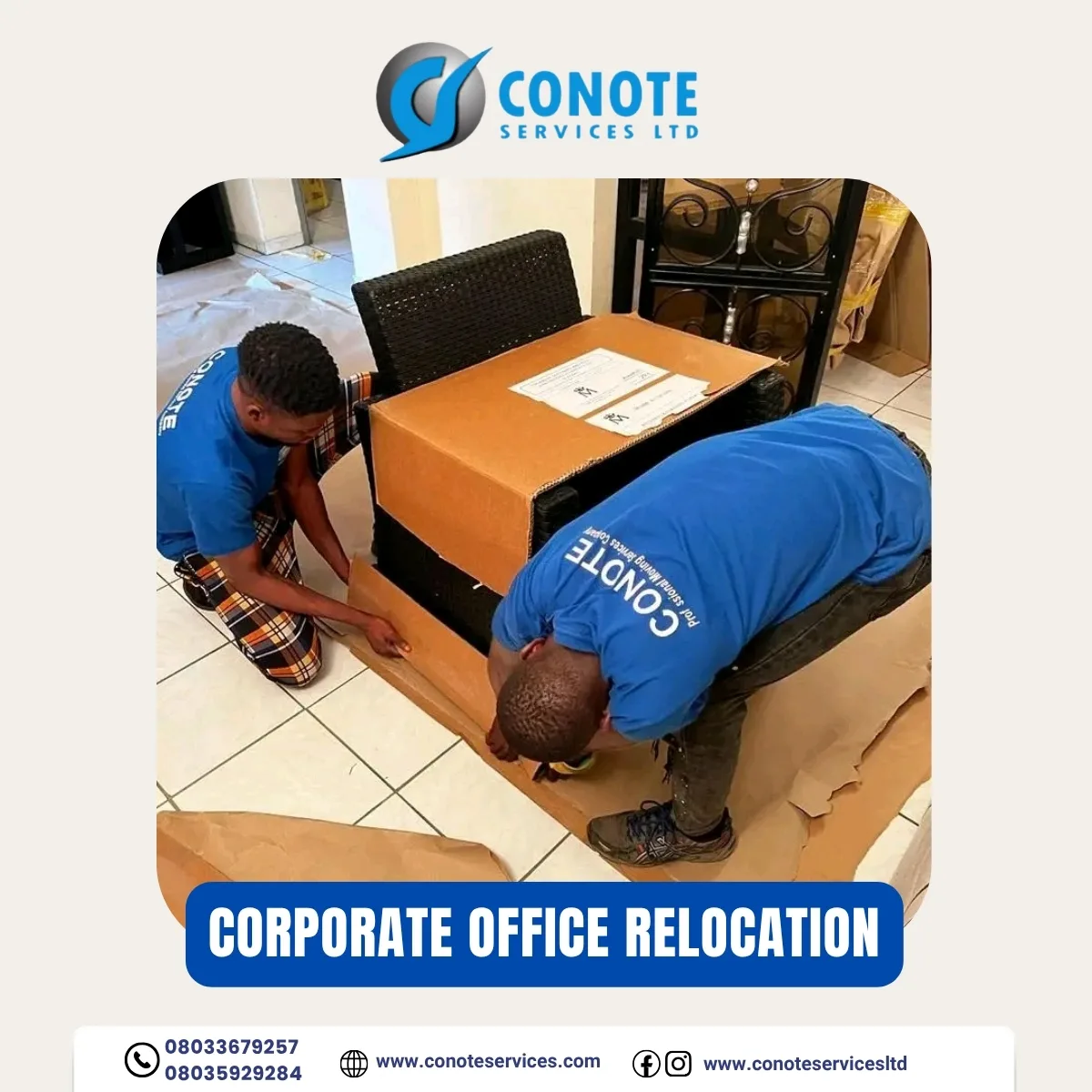
A successful corporate office relocation involves much more than moving desks, computers, and office chairs from one location to another. It is a strategic business decision that affects employees, productivity, customer relationships, technology systems, and overall operational continuity. Companies that fail to plan properly often face downtime, unexpected expenses, lost documents, and frustrated staff members. On the other hand, organizations that approach the process methodically can experience a smoother transition with minimal disruption.
Modern businesses are increasingly relying on technology-driven solutions to simplify office transitions. AI-powered inventory tracking, automated scheduling systems, and digital project management tools now make it easier to coordinate every stage of the move. Could artificial intelligence eventually manage office moves entirely without human supervision? While that may still be evolving, AI is already transforming how businesses plan and execute relocations efficiently.
Start With a Clear Relocation Strategy
The first step in any corporate office relocation is developing a detailed strategy before the physical move begins. Businesses should establish a relocation committee made up of department heads, IT personnel, facility managers, and finance representatives. This team becomes responsible for creating timelines, assigning responsibilities, and identifying potential risks.
A relocation strategy should also define business goals. Some organizations move to reduce operational costs, while others seek larger spaces, improved accessibility, or modern work environments. Understanding the primary objective helps guide decisions throughout the process. Setting measurable targets such as reducing downtime, maintaining employee productivity, and staying within budget can significantly improve outcomes.
Create a Realistic Budget
Every corporate office relocation requires a comprehensive budget that accounts for both expected and unexpected expenses. Many businesses underestimate costs by focusing only on transportation and packing services. In reality, office relocation expenses often include internet installation, IT infrastructure upgrades, furniture replacement, legal documentation, insurance, utility setup, and workspace customization.
A detailed budget prevents financial surprises during the move. Companies should also include contingency funds for emergencies or delays. Businesses relocating internationally or across major cities may encounter permit fees, customs requirements, or transportation restrictions that increase overall costs. Working with experienced relocation specialists can help identify hidden expenses early.
Conduct a Full Office Inventory
An organized inventory process is one of the most efficient ways to streamline a corporate office relocation. Before packing begins, businesses should document all office assets including computers, printers, furniture, electronics, confidential files, and specialized equipment. Labeling items properly reduces confusion during unpacking and minimizes the risk of loss.
Digital inventory management tools now allow businesses to track equipment in real time using QR codes or RFID systems. AI-driven asset management software can even predict equipment replacement needs before the move takes place. This creates an opportunity for businesses to eliminate outdated items and avoid transporting unnecessary materials to the new office space.
Prioritize IT Infrastructure and Data Security
Technology plays a critical role in every corporate office relocation, especially for businesses that depend heavily on uninterrupted communication and digital operations. One of the biggest relocation mistakes companies make is underestimating the complexity of moving IT systems.
Before relocation day, IT teams should back up all critical data, test internet connectivity at the new location, and create a phased technology migration plan. Servers, cloud systems, phone lines, cybersecurity protocols, and employee devices must be carefully coordinated to prevent operational downtime.
Cybersecurity should remain a priority throughout the move. Sensitive company information can become vulnerable during transportation if proper protections are not implemented. Businesses should encrypt digital files, secure physical documents, and restrict unauthorized access during the relocation process.
Communicate With Employees Early
Employee communication is essential during a corporate office relocation because uncertainty can reduce morale and productivity. Staff members need regular updates about relocation timelines, transportation arrangements, workspace expectations, and any operational changes that may affect their daily routines.
Management should provide clear relocation schedules and encourage employee feedback throughout the transition. Some companies conduct orientation visits to help workers familiarize themselves with the new environment before the official move date. This approach reduces anxiety and improves employee adaptation.
Flexible work arrangements can also improve efficiency during relocation periods. Remote work options or staggered transition schedules may help maintain business continuity while office setups are completed.
Hire Professional Office Relocation Experts
One of the smartest investments during a corporate office relocation is hiring experienced office moving professionals. Corporate relocations involve logistics that differ significantly from residential moves. Specialized movers understand how to handle sensitive equipment, confidential documents, modular furniture, and large-scale office setups efficiently.
Professional relocation companies often provide project managers who coordinate timelines, transportation, packing, installation, and post-move support. Their expertise helps businesses avoid costly delays and operational disruptions. Choosing a reputable service provider with proven experience in commercial relocations can significantly improve the overall success of the move.
Businesses should also verify insurance coverage, licensing, customer reviews, and service agreements before signing contracts with relocation vendors.
Reduce Downtime Through Phased Relocation
Minimizing operational downtime is one of the most important goals of any corporate office relocation. Companies that completely shut down operations during a move often experience revenue loss and customer dissatisfaction.
A phased relocation strategy allows businesses to move departments gradually instead of relocating the entire office simultaneously. Critical departments such as customer support, IT services, and finance can remain operational while other sections transition in stages. Weekend or after-hours relocation schedules may also reduce interruptions to business activities.
Cloud-based collaboration tools, virtual meeting platforms, and remote access systems further help employees maintain productivity during transitional periods.
Design the New Workspace for Efficiency
Relocation presents an opportunity to improve workplace design and operational efficiency during a corporate office relocation. Instead of recreating outdated office layouts, businesses should evaluate how the new space can support collaboration, innovation, and employee wellbeing.
Modern offices increasingly incorporate hybrid workspaces, collaborative meeting areas, quiet focus zones, and ergonomic furniture. Energy-efficient lighting, smart conference rooms, and AI-powered climate control systems are also becoming common in modern office environments.
An efficient office layout can improve communication, reduce distractions, and enhance employee satisfaction. Businesses should involve employees in workspace planning whenever possible to create a more functional and comfortable environment.
Test Everything Before Full Operations Resume
The final stage of a corporate office relocation should involve comprehensive testing before full business operations resume. Businesses should inspect internet connectivity, phone systems, access controls, printers, security systems, and conference room technology to ensure everything functions properly.
Testing should also include emergency procedures, backup systems, and workspace safety compliance. Addressing technical or operational issues immediately after the move helps prevent larger disruptions later.
Post-relocation evaluations can provide valuable insights for future operational improvements. Gathering employee feedback after the transition may reveal workflow challenges or additional optimization opportunities within the new office environment.
Conclusion
An efficient corporate office relocation depends on strategic planning, clear communication, technology preparation, professional support, and operational flexibility. Businesses that approach relocation systematically can reduce downtime, protect critical assets, maintain employee productivity, and transition smoothly into a more effective workspace.
As office environments continue evolving with digital transformation and AI-driven solutions, relocation processes are becoming faster and more organized than ever before. Companies that embrace these innovations can turn relocation into an opportunity for growth rather than a disruptive challenge.
For businesses seeking reliable and professional relocation support, clients should reach out to Conote Services for expert assistance tailored to modern corporate moving needs.