

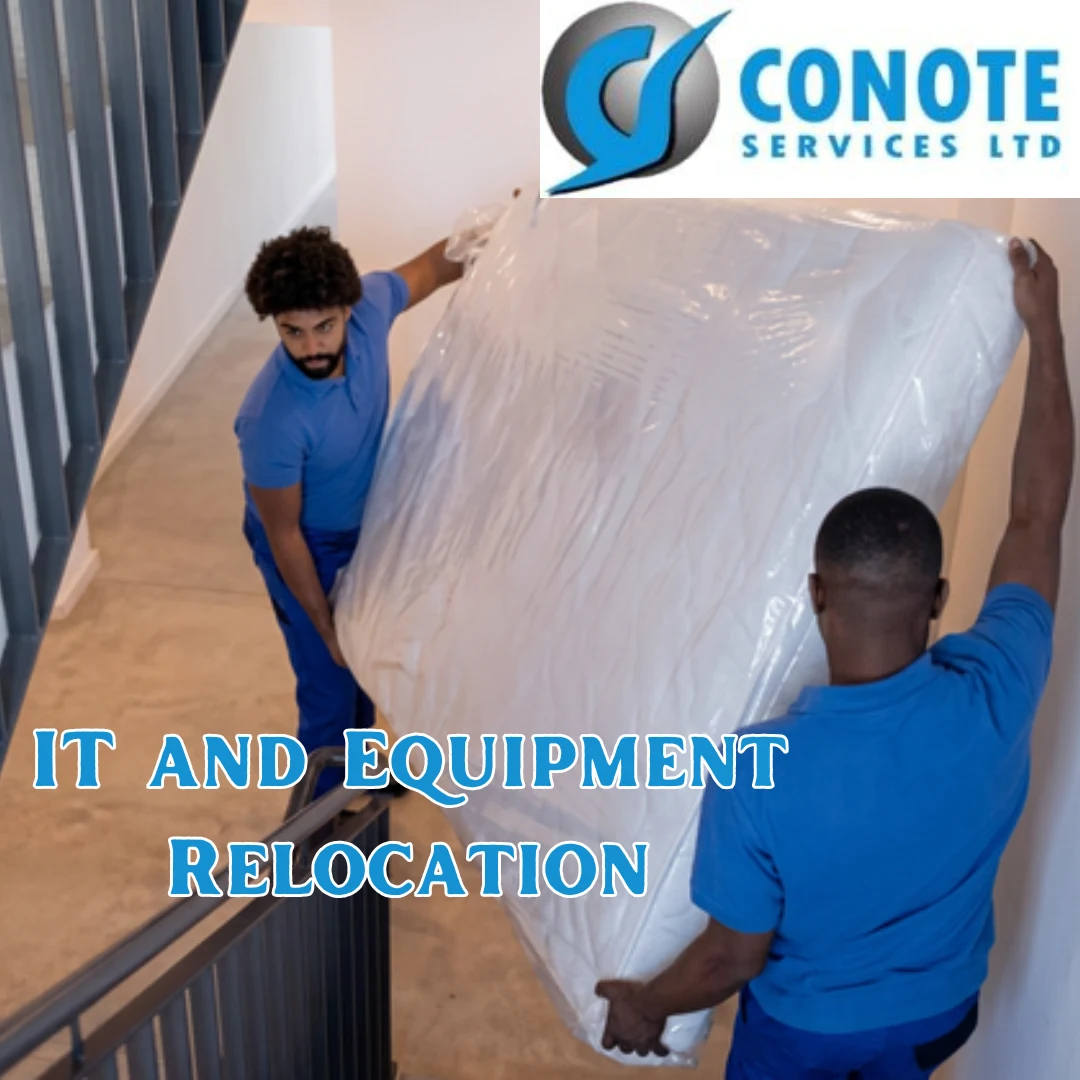
Relocating a business is rarely just about moving desks and chairs, it involves carefully transferring critical infrastructure, sensitive data, and operational systems without disrupting productivity. IT and Equipment Relocation is one of the most complex aspects of any business move, requiring technical precision, strategic planning, and coordinated execution. A poorly handled relocation can lead to downtime, data loss, or damaged equipment, all of which translate into financial and reputational risks. This article explores best practices to ensure a seamless transition, helping businesses maintain continuity while upgrading or expanding their operational environment.
Strategic Planning for a Seamless Transition
The foundation of a successful IT and Equipment Relocation lies in meticulous planning. Before any physical movement begins, businesses must conduct a comprehensive audit of all IT assets, including servers, workstations, networking devices, and peripherals. This inventory helps identify critical systems that require special handling or priority during the move.
A detailed relocation roadmap should outline timelines, responsibilities, and contingency plans. This includes mapping out the new location’s infrastructure readiness, power supply, cooling systems, internet connectivity, and security protocols. Without these essentials in place, even the most carefully transported equipment will fail to function optimally.
Additionally, stakeholder communication is crucial. Employees, IT teams, and external vendors must be aligned on expectations and timelines. Clear communication reduces confusion and ensures that everyone understands their role in the relocation process.
Data Protection and Security Measures
Data is often more valuable than the hardware itself, making its protection a top priority during IT and Equipment Relocation. Businesses should implement robust backup strategies before the move, ensuring that all critical data is securely stored in multiple locations, including cloud-based systems.
Encryption protocols should be enforced for sensitive information, especially when transporting storage devices. Access controls must also be tightened to prevent unauthorized handling of equipment or data during transit.
An emerging question in modern relocation strategies is: Can AI-driven monitoring systems predict and prevent data breaches during relocation? The integration of artificial intelligence into security frameworks is becoming increasingly relevant, offering predictive analytics and real-time threat detection to safeguard business assets.
Equipment Handling and Transportation
Proper handling of IT equipment is essential to avoid physical damage. During IT and Equipment Relocation, specialized packing materials such as anti-static wraps, shock-absorbing crates, and climate-controlled containers should be used to protect sensitive devices.
Labeling systems play a critical role in ensuring that equipment is unpacked and reassembled correctly. Each item should be tagged with its destination location, configuration details, and priority level. This minimizes confusion and accelerates the setup process at the new site.
Partnering with experienced relocation professionals can significantly reduce risks. These experts understand the nuances of handling delicate IT infrastructure and can provide customized solutions tailored to specific business needs.
Minimizing Downtime and Business Disruption
One of the primary goals of IT and Equipment Relocation is to minimize operational downtime. Businesses should consider phased relocation strategies, where non-critical systems are moved first, followed by essential infrastructure.
Scheduling the move during off-peak hours or weekends can further reduce disruption. Parallel system setups, where new systems are configured and tested before the old ones are decommissioned, ensure continuity of operations.
Testing is a non-negotiable step. Once equipment is installed at the new location, thorough testing must be conducted to verify functionality, connectivity, and performance. Any issues identified should be resolved immediately to prevent long-term inefficiencies.
Post-Relocation Optimization
The process does not end once the equipment is in place. Post-move optimization is a critical phase of IT and Equipment Relocation, focusing on fine-tuning systems for maximum efficiency.
This includes reconfiguring network settings, updating software, and optimizing hardware placement for better performance and accessibility. Businesses should also gather feedback from employees to identify any operational challenges that may have arisen after the move.
Training sessions may be necessary to familiarize staff with new systems or layouts. This ensures that productivity levels are quickly restored and even improved in the new environment.
Leveraging Technology for Smarter Relocation
Modern businesses are increasingly leveraging advanced technologies to enhance IT and Equipment Relocation processes. Tools such as asset management software, real-time tracking systems, and automated scheduling platforms streamline operations and improve accuracy.
Artificial intelligence and machine learning can analyze historical data to predict potential challenges and recommend optimal relocation strategies. For instance, AI can identify the best sequence for moving equipment based on dependency mapping, reducing the risk of system failures.
Cloud computing also plays a significant role, allowing businesses to maintain access to critical applications and data even while physical systems are being relocated. This hybrid approach ensures continuity and flexibility.
Compliance and Risk Management
Regulatory compliance is another crucial consideration in IT and Equipment Relocation, especially for industries handling sensitive data such as finance, healthcare, and legal services. Businesses must adhere to data protection laws and industry standards throughout the relocation process.
Risk assessments should be conducted to identify potential vulnerabilities, including equipment damage, data breaches, and logistical delays. Insurance coverage is also essential to mitigate financial losses in case of unforeseen incidents.
Documentation is key, every step of the relocation process should be recorded, from asset inventory to final installation. This not only ensures accountability but also provides a reference for future relocations.
Conclusion
Executing a successful IT and Equipment Relocation requires a blend of strategic planning, technical expertise, and proactive risk management. From safeguarding data to minimizing downtime and leveraging modern technologies, each step plays a vital role in ensuring a smooth transition.
For businesses seeking a reliable and professional approach, partnering with experienced service providers can make all the difference. Companies are encouraged to reach out to Conote Services for expert guidance and tailored relocation solutions that prioritize efficiency, security, and operational continuity.