

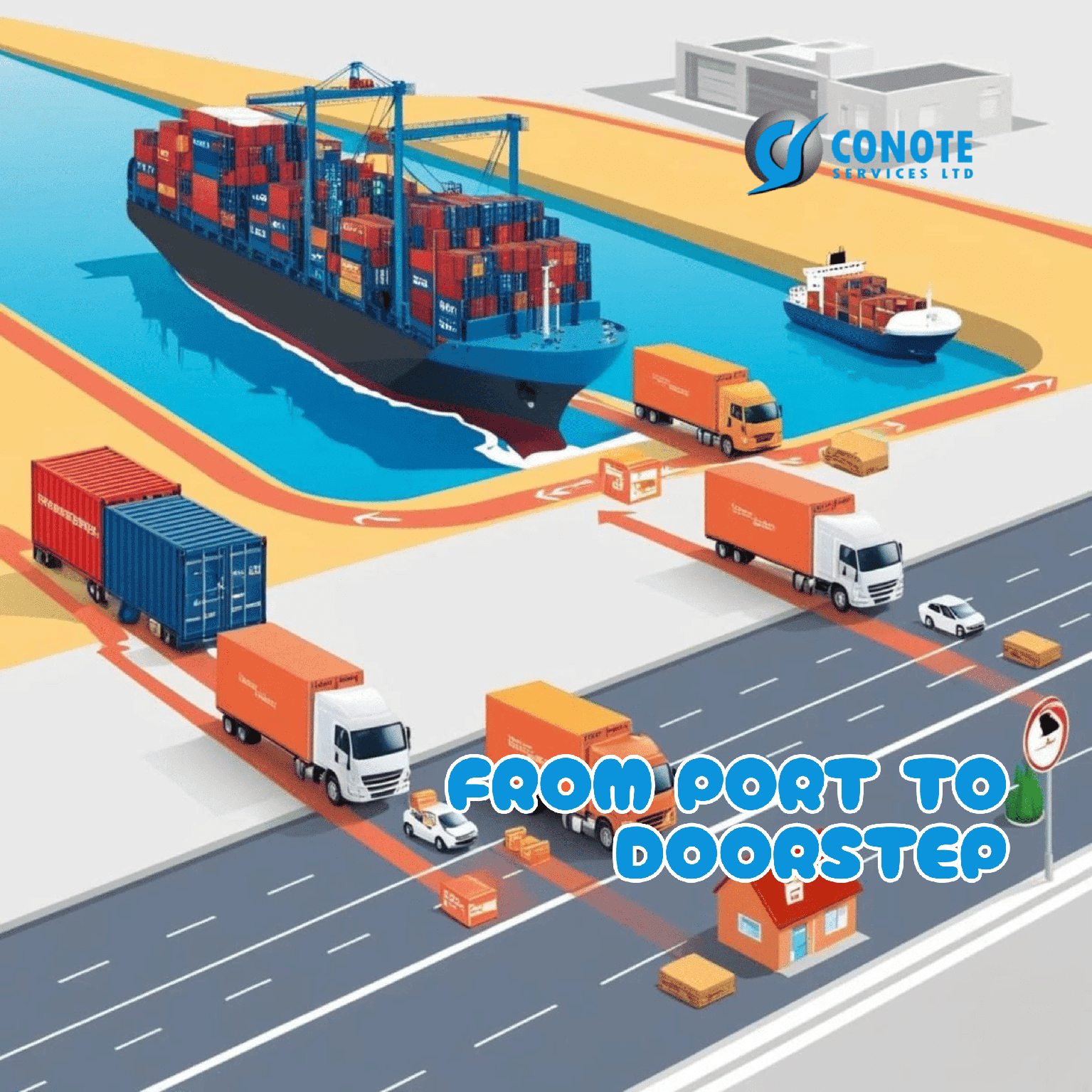
Nigeria, a vibrant trading nation internationally, has both challenges and opportunities in its shipping sector. From port to doorstep requires a judicious understanding of the country’s customs clearance process. This essay will explore the intricate process, explaining each step and outlining key points of consideration for importers and exporters.
Pre-Arrival Assessment: Laying the Groundwork
Before a ship can even approach Nigerian ports, customs clearance is already underway. Importers must start pre-arrival valuation, submitting required documents to the Nigeria Customs Service (NCS). The documents usually include:
Form M: A mandatory declaration form for all goods coming into Nigeria that have a value over a threshold. It provides tracking and accurate valuation.
Proforma Invoice: A preliminary invoice that outlines the terms of the transaction, i.e., goods description, quantity, and price.
Packing List: The comprehensive list of goods to be exported for checking purposes.
Product Certificate: Product certificates like SONCAP are necessary to facilitate the importation of goods into Nigeria.
Accurate and complete documentation is required. Inconsistencies may result in delays, penalties, and even seizure of merchandise. Can there be a future when the documents are checked and verified automatically by AI, making the process quicker and less error-prone?
Arrival and Examination: Verification and Valuation
On arrival at the Nigerian port, the NCS conducts a physical inspection of the consignment. The intent is to verify the accuracy of the information presented and identify the appropriate duty payable. The NCS applies various methods of examination, which are:
Physical Inspection: Diligent examination of the goods to verify the quantity and description declared.
Scanning: The application of X-ray scanners to detect concealed items or discrepancies.
Valuation: Determining the correct value of the goods for duty calculation, commonly computed using existing databases and market value.
This step is significant since the NCS makes significant efforts in the prevention of smuggling, undervaluation, and the entry of prohibited items.
Duty Assessment and Payment: Fulfilling the Fiscal Requirements
Upon examination, the NCS calculates the taxes and duties that apply. Nigeria’s myriad of tariff includes import duty, excise duty, value-added tax (VAT), and other levies. Even though the duty payable depends on:
HS Code: It is the code using the Harmonized System, classifying the goods into a corresponding tariff rate.
Value of Customs: Value of the goods upon which duties are calculated, normally the cost, insurance, and freight (CIF) value.
Tax Regime: Nigeria’s existing tax laws and regulations.
Payment for the so-assessed duties is to be made by the importers forthwith through approved banks. Postponement results in accrual of penalties.
Clearance and Release: Completion of the Process
Once the payment is made, the NCS issues a release order, which facilitates movement of the goods from the port to the doorstep. This is not the last step. The importer will also have to make arrangements for:
Terminal Handling: Payment of fees to the port terminal operator for storage and handling of the goods.
Logistics and Transport: Engaging the services of a clearing agency to ship the merchandise to the delivery point.
Proper logistics are highly crucial in ensuring timely delivery and saving extra costs.
Common Challenges and Mitigation Strategies
Clearing Nigerian customs has always been a challenge, with problems such as:
Delays: Caused by bureaucratic processes, port congestion, and document issues.
Bribery: Extortion by corrupt officials is likely to increase costs and delay the process.
Infrastructural Shortfalls: Poor road networks and low-quality port facilities may impede the flow of goods.
In order to prevent these issues, importers must:
Utilize Experienced Agents: Employ trusted clearing agents who are well versed in Nigerian customs procedures.
Comply: Maintain accurate records and meet all regulatory requirements.
Promote Transparency: Promote best practices and reject fraudulent claims.
Technology’s Role in Facilitating Customs
Nigeria is increasingly adopting technology to modernize its customs procedures. NCS has implemented systems such as the Nigeria Integrated Customs Information System (NICIS II) to computerize processes and enhance efficiency. Other innovations in areas such as blockchain and artificial intelligence have the potential to revolutionize customs clearance in Nigeria. Could AI be used to predict potential delays and cure them early, enhancing the efficiency from port to doorstep?
Conclusion – From Port to Doorstep with Conote Services
The Journey from Port to Doorstep is no stroll in the park. As has been illustrated, Nigerian customs clearance requires skill, diligence, and a thorough acquaintance with the overseeing legislation. The practices described are complex and laborious. Have your cargo arrive intact, call Conote Services today for a frustration-free, hassle-free shipping experience. Leave the complexity of customs to us so that you can concentrate on your business. Your merchandise is in good hands with Conote Services.