

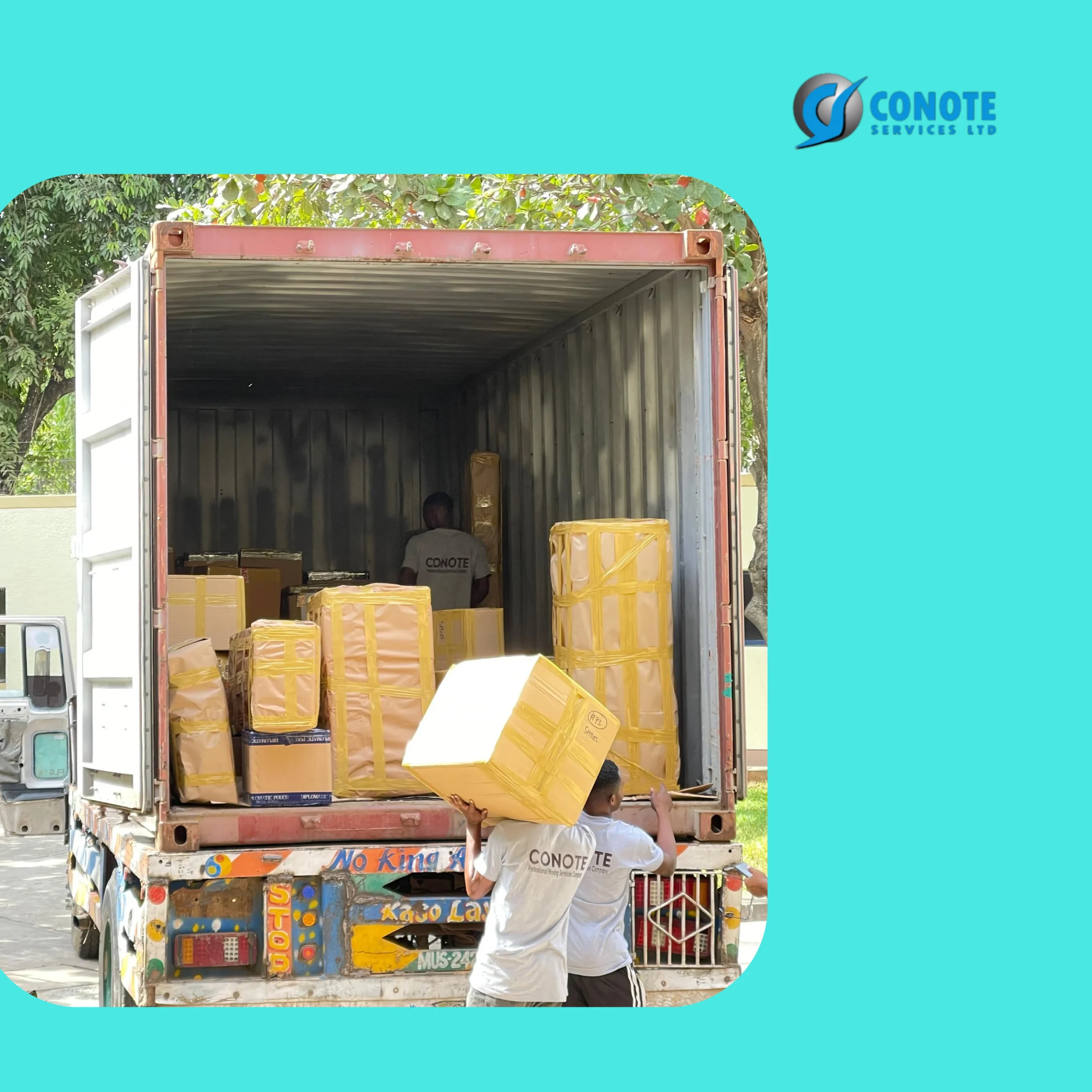
Relocating can be a stressful process, and hiring professional movers often makes the experience smoother and safer. These experts handle everything from packing fragile items to loading and unloading heavy furniture. However, there are limits to what can be transported, particularly when it comes to hazardous materials. Understanding these restrictions is critical for ensuring safety, compliance with the law, and avoiding potential fines or accidents during your move.
Why Some Items Are Restricted
Certain items are classified as hazardous because they pose risks to human health, the environment, or property. Professional movers are trained to identify these risks and comply with federal, state, and local regulations. Transporting these items without proper handling or certification can lead to severe consequences, including legal action, contamination, and damage to your belongings.
Common Household Hazardous Materials
Many everyday items in homes are considered hazardous and cannot be transported by moving companies. These include:
- Flammable liquids: Gasoline, kerosene, propane, and paint thinners can easily ignite, creating a high risk during transportation.
- Explosives: Fireworks, ammunition, and certain types of fertilizers are highly unstable and forbidden in moving trucks.
- Corrosive substances: Strong acids, drain cleaners, and some battery types can cause chemical burns or damage other items.
- Toxic chemicals: Pesticides, insecticides, and some cleaning solutions contain toxic chemicals that require specialized handling.
Compressed gases: Items like butane canisters, oxygen tanks, and aerosol cans can explode under pressure or heat.
These items are typically banned because even minor accidents during transit can result in serious injury or property damage.
Electronic and Lithium-Based Items
Modern households rely heavily on electronics, but not all devices are safe for standard transportation. Lithium-ion batteries, commonly found in laptops, e-cigarettes, and power tools, can catch fire if punctured or damaged. Professional movers usually limit the shipment of these items unless properly packed and declared. It’s essential to check with your moving company and follow their guidelines to avoid potential hazards.
Perishable and Biological Materials
Perishable food items, plants, and biological samples are also restricted. Foods that spoil easily, such as dairy, meats, and seafood, can create unpleasant odors and attract pests if left unrefrigerated during transit. Similarly, transporting live plants or soil without approval can introduce invasive species to new areas. Some biological samples, like blood or lab specimens, are classified as biohazards and are legally restricted from standard moving services.
Household Appliances with Special Considerations
Certain home appliances contain hazardous components that require special handling:
- Refrigerators and freezers: Many contain refrigerants that are regulated under environmental laws.
- Air conditioners: Contain both refrigerants and compressed gases.
- Water heaters: Contain residual chemicals and pressurized water that can be dangerous if not properly drained.
In these cases, professional movers can sometimes provide guidance or suggest certified disposal or transport alternatives.
How AI Is Changing Hazardous Material Management
Artificial intelligence is beginning to play a role in identifying and managing hazardous items during relocations. AI-powered inventory systems can scan household inventories, flag items that are restricted, and even provide safer alternatives for shipping. This ensures that movers and clients stay compliant with regulations while reducing human error in the moving process.
Tips for Safely Handling Restricted Items
Even though professional movers cannot transport hazardous materials, there are steps homeowners can take to manage them safely:
- Dispose of hazardous materials responsibly: Local recycling centers and hazardous waste facilities can handle flammable liquids, batteries, and chemicals.
- Separate hazardous items before packing: Clearly mark and store restricted items away from other belongings.
- Check local regulations: Some states have specific rules for transporting chemicals, fireworks, or biological samples.
- Plan for alternative transport: Some companies specialize in moving hazardous materials and can be contacted for safe relocation.
Following these precautions helps prevent accidents and ensures that your move goes smoothly.
Conclusion
Understanding what items professional movers cannot transport is essential for a safe and stress-free relocation. Hazardous materials, including flammable liquids, explosives, toxic chemicals, lithium batteries, and certain appliances, pose risks that require careful handling and legal compliance. By being informed and planning ahead, homeowners can avoid accidents, fines, and logistical challenges.
For assistance with safe relocations and guidance on managing restricted items, clients should reach out to Conote Services for professional support. Their expertise ensures a secure moving experience while helping you navigate the complexities of hazardous material restrictions.